When it comes to protecting your valuable equipment, the terminology around waterproof cases can get confusing quickly. Words like “waterproof,” “water-resistant,” “watertight,” “pelican cases”, and “IP ratings” (Ingress Protection) are thrown around, leaving you wondering—what do you actually need?
The Breakdown of Waterproof Terms
First, let’s clear up the jargon.
There are many terms used in the industry and sometimes they’re used interchangeably – and erroneously. Each term refers to a specific set of standards, so it’s important to know what they mean when you’re using them in the context of developing your own custom case.

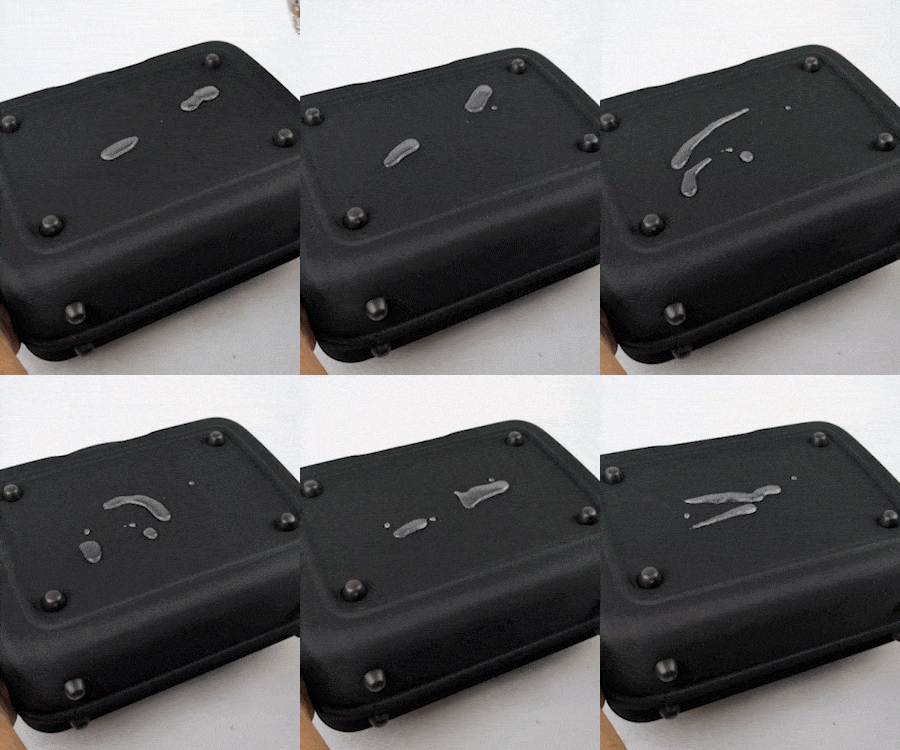
- Water-Resistant: This refers to cases that can handle light exposure to water, like rain, but they aren’t built for total submersion. You can think of this as everyday water protection. Here’s one of our water-resistant cases.
- Watertight: A watertight case means no water will get inside under certain conditions—usually determined by how well the case seals when closed. It’s often associated with higher IP ratings and is ideal for outdoor activities but cannot withstand submersion or prolonged exposure. Click here to see an example of our watertight case work.
- Waterproof: This means the case is designed to prevent water from getting inside, even if submerged. Typically, these cases come with a rubber gasket between the shells, forming a tight seal when closed. Depending on the IP rating, they can withstand submersion for a limited time and depth. Check out a sample of our waterproof case designs here.

You may have also heard the word “Pelican Case”, as it’s become something of an industry-common usage name for just a “waterproof case”. But actually, it refers to the specific brand, Pelican Products, and their molded plastic cases with airtight and waterproof gaskets.
It’s good to know all the terms, so you can answer the big question: Do you actually need a waterproof case? And if yes, what type?
When Waterproof Really Matters
There are industries and scenarios where a waterproof case is essential. If you’re working on a military project, filming water sports, or any other water-intensive activity, a waterproof or watertight case is necessary. These cases ensure your equipment stays dry, whether it’s caught in the rain or submerged in water for short periods.
However, if your use case is more about sales demos, product presentations, or just carrying things around in typical conditions, you likely don’t need the extra protection. Even in light rain, a water-resistant or water-repellent case will do the job.
The Cost of Over-Engineering
Opting for a waterproof case when you don’t need one can lead to unnecessary costs—both financially and in terms of practicality. These cases tend to be heavier, bulkier, and more expensive. Many people purchase them as a “just in case” precaution, but unless you’re shipping something to an unpredictable environment or working in water-heavy situations, you’re paying for features you won’t use.
Understanding IP Ratings
If you’re still unsure, the IP rating system can help guide you. It’s a standardized way to measure the protection a case offers against solids and liquids.
For example:
- IP21 means the case is protected from solid objects like fingers and can withstand light rain or water splashes at a specific angle.
- IP66 or higher indicates protection from total dust ingress and water, meaning it can handle water jets or submersion up to 1 meter for a limited time.
For most cases, you’ll find that unless you’re working in extreme conditions, you won’t need to go above a mid-level IP rating.

Shell-Case: Built for Real-World Use
At Shell-Case, we focus on practical, real-world protection. Our hybrid cases aren’t fully waterproof, but they don’t need to be for most applications. Our cases are water-repellent, meaning they perform much like a non-stick surface—rain and splashes won’t penetrate. This keeps your equipment safe without the added weight and cost of unnecessary waterproofing features.