Despite being a critical part of the product experience, carrying cases for medical devices are still treated as an afterthought.
At our first Medica exhibition that we attended as a company, we walked through the halls and could not help but notice how often medical device cases were presented as an afterthought, or even hidden away. Naturally, the medical devices themselves were proudly displayed, but the device case? Hardly.
Out in the “wild” the opposite is true, however. People see the medical device only after encountering the case—and in some situations, they never see the device at all. Companies spend millions perfecting the look and feel of their products, only to hide them in plain, generic cases that don’t reflect the same level of care or brand identity.
Luckily (albeit, slowly) this attitude is changing, and we’re happy to be a part of it. Through years of collaborating with medical device companies worldwide, we have demonstrated that a case is not “just a case.” In reality, it is often the first thing a customer encounters—long before they interact with the device itself.
This makes the case the true front line of brand identity.

The Custom Case as a Brand Ambassador for Your Medical Device Company
A custom carrying case is often the very first point of contact between your brand and the outside world. Long before a clinician, distributor, or buyer interacts with the device itself, they pick up, carry, and evaluate the case. That makes it more than a protective shell—it’s a brand ambassador. The way a case looks, feels, and performs communicates volumes about the company behind it. This is exactly what a custom case is at its core; not just a container, but a custom solution that serves as an extension of the product’s identity and values
When treated as an extension of the product, the case reflects the same identity and values the device was designed to embody. To maintain this standard, it is vital to understand how to choose OEM packaging for medical device cases that satisfies strict regulatory requirements.
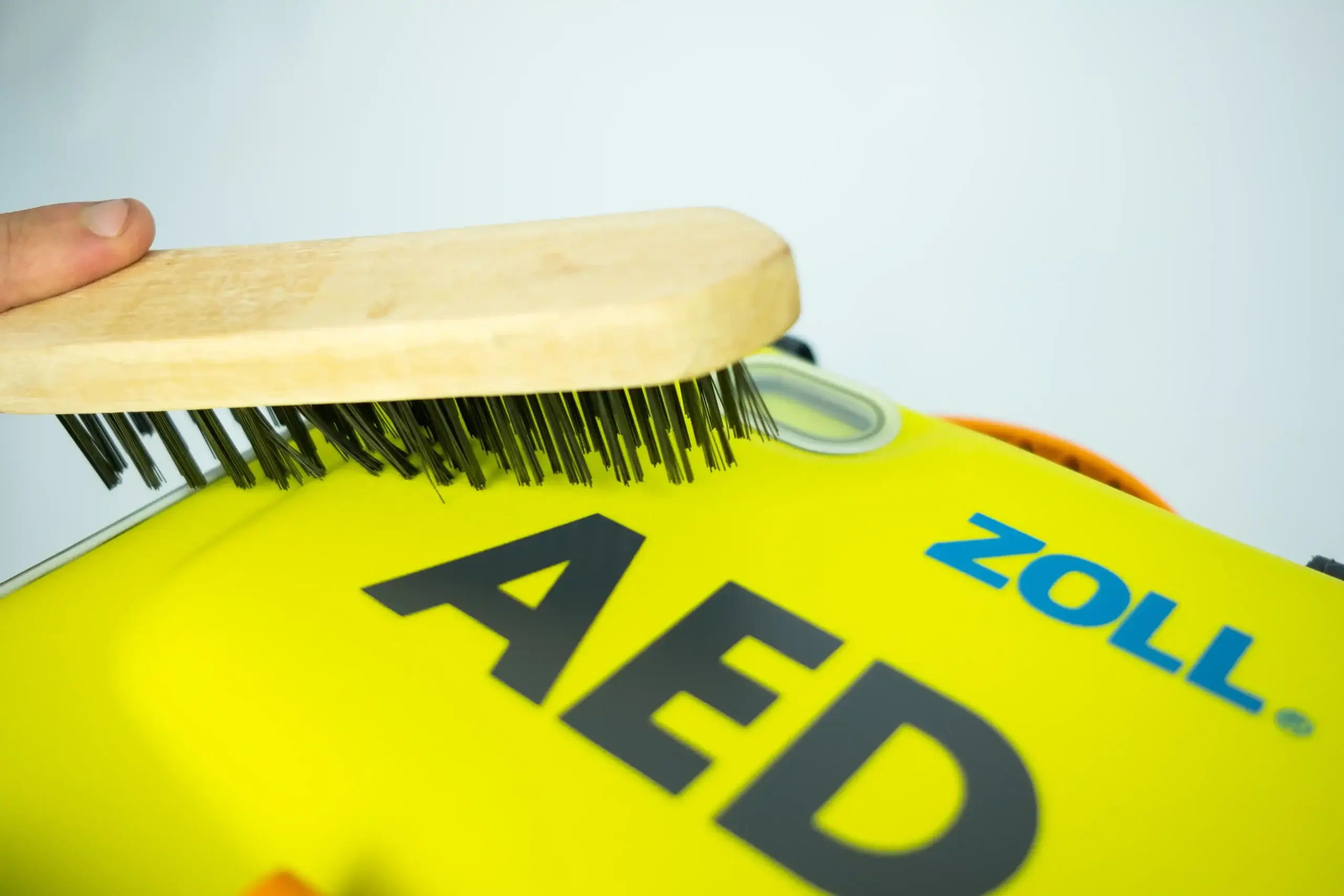
Durability that endures beyond launch. Medical devices are expected to perform reliably for years, and their cases should too. Our AED case was built to maintain its form, function, and appearance long after the initial product release—ensuring consistent protection and brand presence throughout its lifecycle.
Knowing how to choose a well-designed custom carrying case ensures you signal professionalism, reliability, and quality at first glance. It shows customers that the same level of attention invested in the device has also been carried through to the way it’s presented and protected.
Clear branding with the logo prominently displayed. A case can serve as a mobile advertisement for your company. In our branded carrying case for dentist loupes, the logo is placed front and center, reinforcing recognition and professionalism every time the case is carried into a clinic, trade show, or meeting.
Premium materials that look professional and last. Material choice sets the tone the moment the case is in hand. Our custom modular case system demonstrates how carefully selected fabrics and finishes create a sleek, high-end impression while standing up to the rigors of daily use. To understand how to choose the right carrying solution and ensure ergonomic medical device case design, one must look at how material selection determines both the longevity and the usability of the device.
How Custom Cases for Medical Devices Go from Protection to Performance
A carrying case is far more than packaging, it’s the first handshake with your customer. In many situations, the case is the first (and sometimes only) part of the product they actually touch, carry, and rely on. That makes it the front line of brand perception. A poorly designed case signals “secondary,” while a thoughtfully crafted one communicates trust, professionalism, and attention to detail.
But the story of a great case does not begin and end with branding. Carrying cases can, and should, do so much more. The role of the case has evolved from a simple protective shell into a powerful extension of the medical device itself. By developing the case alongside the device one can think about how they can work together to offer the best possible device experience. By embedding smart design features, cases now actively improve usability and enhance the overall product experience.
Some examples include:
Enhanced usability in the field.
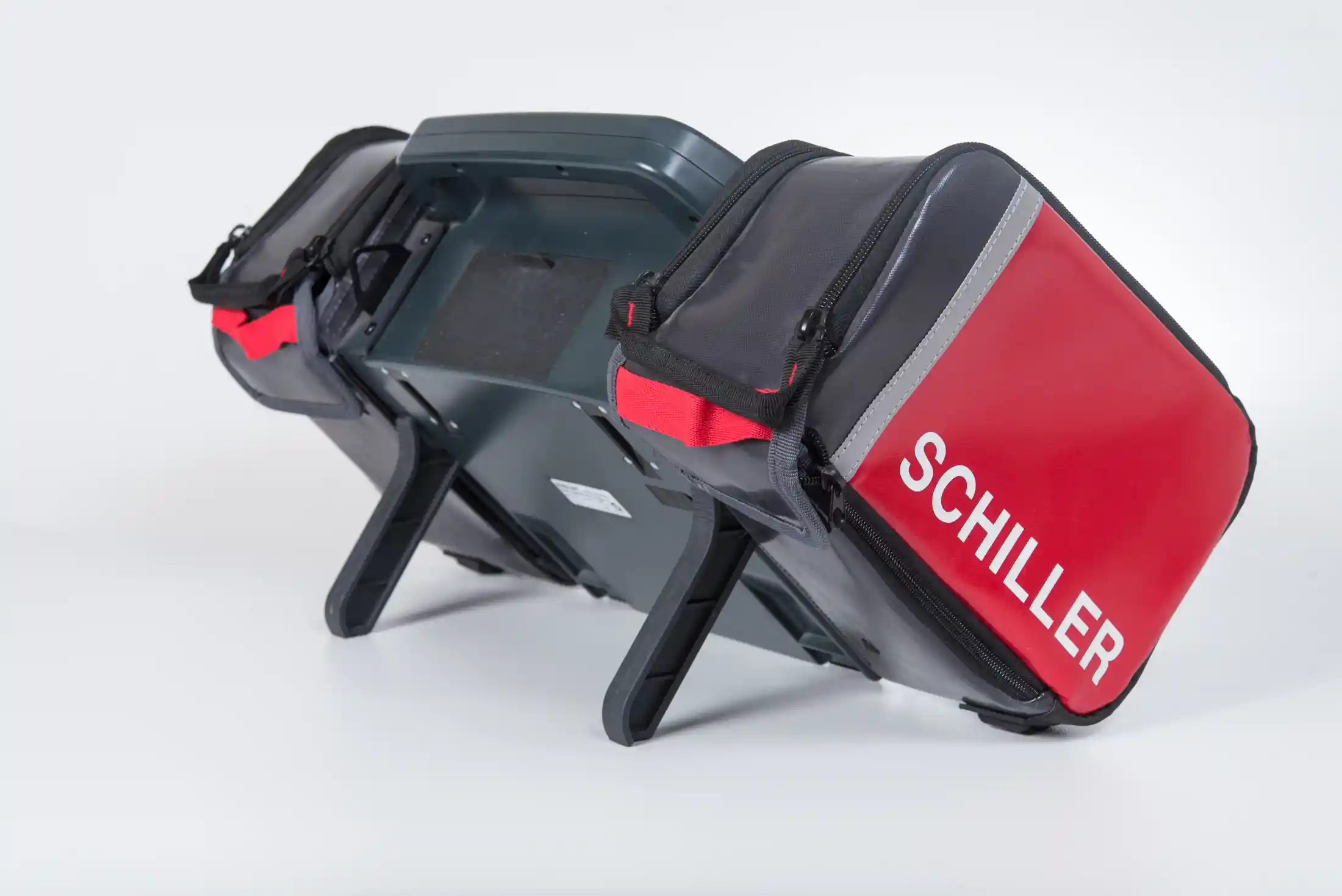
In high-pressure emergencies, every second and every movement matters. We developed a unique 45° angled design that allows first responders to see defibrillator screens without needing to remove the device from its case—improving speed, accuracy, and safety. To support this innovation, we engineered specialized legs that hold the device securely in position within the case itself. This way, the case isn’t just carrying the device—it becomes part of the life-saving workflow. See the “Carrying System for Defibrillator” project.
Integrated functionality.
 A well-designed case can do more than protect—it can actively extend the functionality of the device. For example, we’ve engineered cases that allow medical devices to charge while still inside, eliminating the need to unpack equipment for every recharge. This ensures devices remain ready for immediate use, saves valuable time for clinicians, and reduces wear from repeated handling. It’s a simple addition that delivers real-world impact: readiness, efficiency, and peace of mind. See the “Custom Carrying Case for AED” project.
Safety and visibility upgrades.
In chaotic or low-light environments, the ability to locate critical equipment quickly can make all the difference. By incorporating reflective fabrics into the case design, we ensure that emergency teams can spot their devices instantly—even in darkness, clutter, or high-stress situations. These small but powerful details support faster response times and safer outcomes in the field. See the Shell-Case EVA Carrying Case for AED or a selection of custom EVA cases.
A well-designed case is never “just a container.” It’s a visible, tactile signal of reliability and quality—before a clinician, patient, or first responder even powers on the device inside.
Each of these innovations proves that a case can be much more than a carrying solution. It can directly impact the performance of the product and, ultimately, the effectiveness of medical teams in life-saving situations.
Medical Device Manufacturers Must Get Involved Early
For cases to truly deliver this added value, the design process cannot be an afterthought. The best results come when case manufacturers are involved at the earliest stages of medical device development. Early collaboration allows us to suggest user-friendly, cost-effective, and long-term solutions that align seamlessly with the product’s needs.
By considering the case as part of the product from the outset, companies gain a competitive edge: they strengthen their brand presence, improve product usability, and deliver a better overall experience to their customers.
The medical device case has evolved from being a protective shell in the background to becoming an essential component that carries brand identity, enhances performance, and supports usability. No longer should it be viewed as secondary—it is an integral part of the product story.
As the industry continues to push innovation forward, one thing is clear: a well-designed case doesn’t just protect the device—it elevates it.