/
/
Medical Device Cases: Innovations in Design, UX and Compliance

Medical Device Cases: Innovations in Design, UX and Compliance

6 minutes read
Table of Contents

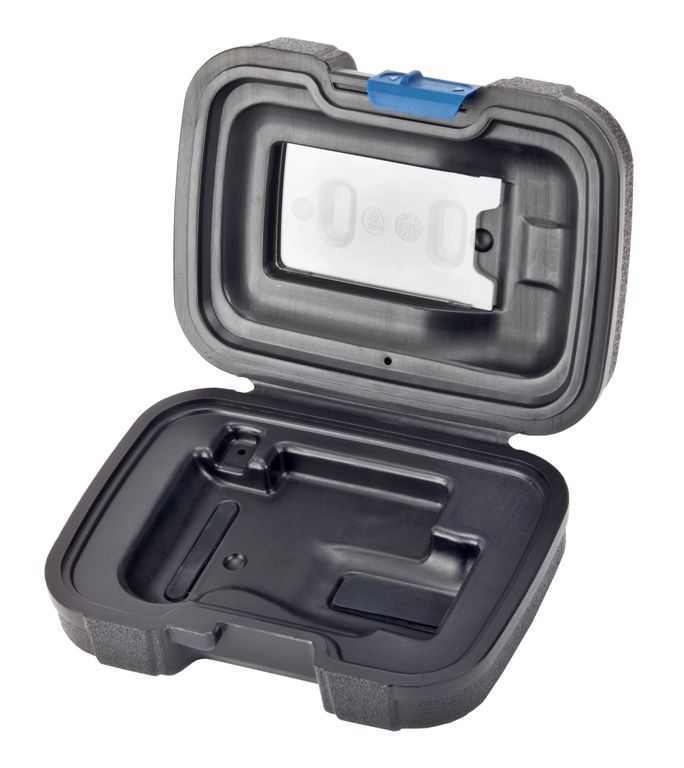
Open Blow Molding Custom Case for BD Bone DrillMedical devices and surgical devices are a lifeline for countless patients worldwide, from life-saving diagnostic tools to portable surgical kits. However, these devices are only as effective as their ability to arrive at their destination undamaged and ready for use.

As we well know, not all cases are built the same. As the medical device industry evolves, so too must the way medical equipment devices are protected. Modern medical device cases go beyond simple storage—they are now designed with advanced protection, user-centric ergonomics, and compliance in mind.

In this article, we’ll explore how medical device cases are evolving to provide superior protection for increasingly sensitive devices and other lifesaving equipment and how innovative solutions like those from Shell-Case are setting new standards in protection, functionality, and user experience.

The Evolution of Medical Device Cases

Medical device cases have come a long way from simple, hard-shell containers with handles or shoulder straps. Originally, these cases were primarily designed for basic impact resistance and portability. But as medical technology has advanced, so have the demands placed on protective cases.

What’s Driving This Evolution?

Increased Sensitivity of Devices

Many medical devices now contain delicate electronics, AI-driven software, and wireless connectivity, requiring superior shock absorption and protection from electromagnetic interference.

Portability & Field Use

With more point-of-care and remote medical applications, medical professionals and other healthcare providers need cases that make transport and quick patient care easy while ensuring the device is immediately accessible and ready for use.

Compliance & Hygiene

Regulatory bodies like the FDA and MDR & Notified Bodies require medical devices to meet strict sterility and safety standards, driving the entire medical device industry to the use of easy-to-clean materials. Some of the cases might also need to meet these standards unless otherwise defined.

This shift has led to a wide array of custom-engineered cases that balance protection, compliance, and real-world usability.

Modern Medical Device Cases: Key Innovations in Design

The medical device industry has embraced the technological revolution to provide groundbreaking innovation, somewhat regularly. Delicate next-gen surgical instruments, robotics devices, and enhanced portability of lifesaving treatments are just some of the many examples of medical products that are demanding innovation in custom case solutions.

1.Smart Integration: The Rise of IoT-Enabled Cases

Modern medical cases are integrating smart technology to enhance device monitoring and security. Some of these cases now feature:

  • Temperature and humidity sensors to ensure the device remains in an optimal environment.
  • RFID or Bluetooth tracking for monitoring equipment location and movement.
  • Real-time impact sensors that notify teams if a device has been dropped or mishandled in transit.
  • In-case charging options to allow for easy-to-use on the go charging.

This is a game-changer for high-value, precision medical instruments that must arrive in perfect condition every time and also significantly improve product usability and user experience. A product that’s easy to use and withstands use over time is a product that companies and people will continue to return to.

2. Ergonomic and User-Centric Features

Medical professionals and sales reps handle these cases daily, making ease of use just as important as protection. New case designs focus on:

  • Lightweight materials without compromising durability.
  • Padded, adjustable straps for comfortable carrying.
  • Wheels and reinforced handles to support heavy medical kits.
  • One-handed quick-access openings for fast emergency use.


3. Sustainable and Eco-Friendly Materials that Preserve Brand

As sustainability becomes a priority in the healthcare industry, medical equipment manufacturers are shifting towards recyclable, lightweight, and durable materials. This not only reduces waste but also improves case longevity, lowering the total cost of ownership. These innovations cannot compromise on aesthetics, and so its vital to ensure there are customizable features and custom colors in developing your case.

4. Modular and Customizable Interiors

Medical devices come in various shapes and sizes, and a one-size-fits-all approach doesn’t work. Custom solutions must meet the exact specifications of unique devices. Custom medical cases now offer:

  • Custom interiors and inserts precision-made to fit each device snugly.
  • Modular compartments for accessories, batteries, and additional components.
  • Antimicrobial coatings to reduce contamination risks.

By creating a tailored fit, these cases prevent device movement, reducing the risk of damage during transport.

Compliance and Regulatory Considerations in Case Design

Medical device cases must comply with industry-specific safety and hygiene standards. Some of the critical compliance factors include:

ISO 13485 Certification – Ensures the case is designed to protect medical equipment effectively.

FDA-Approved Materials – Must be non-toxic, non-reactive, and sterilizable.

Ingress Protection (IP) Ratings – Indicates how well a case resists dust, water, and contamination.

Biocompatibility – If required, Materials could be safe for biocompatibility

Failing to meet these standards can jeopardize patient safety and lead to costly regulatory issues.

Lucas EMS carrying caseProduct Snapshot: Shell-Case’s Approach to Innovative Medical Device Cases

At Shell-Case, innovation is at the heart of everything we do. One standout example is our Medical Device EMS Backpack for Everyday Use, Lucas, designed for a global healthcare provider.

The Challenge

  • The client needed a highly portable yet durable case for a cutting-edge portable medical device.
  • It had to be super lightweight, ergonomic, and easy to disinfect while also offering shock protection.
  • It required a charging option that would be accessible even while the device is inside the case.
  • The users needed to have the option to put the device into operation while it is still inside the case
  • The users needed clear visibility on battery condition without opening the case to check. 

The Solution

✔ A semi-rigid polycarbonate shell that balances flexibility and strength.
✔ Custom padded compartments for securing the device and accessories.
✔ Water-resistant polymeric exterior for medical-grade hygiene.
✔ Ergonomic straps made of coated textiles for comfortable carrying on long shifts.

The result? A medical case that enhances mobility, safety, and usability—all without compromising protection.

Conclusion: The Future of Medical Device Cases

As medical technology advances, the role of protective cases will continue to evolve. Today’s leading designs go beyond basic protection, integrating smart tracking, ergonomic enhancements, and sustainable materials.

For medical device manufacturers, investing in a custom-engineered case means:
✔ Extended device lifespan Improve usability
✔ Better user experience for healthcare professionals
✔ Compliance with medical safety standards
✔ A more professional brand presentation

At Shell-Case, we specialize in creating tailored custom solutions for medical device cases that blend innovation, high-end custom corporate branding options and real-world usability. If you’re looking for a cutting-edge, compliance-ready protective case, let’s talk!

Explore our medical device case solutions

Udi Oren serves as the R&D Manager at Shell-Case, bringing 18 years of specialized experience in industrial design and the development of custom medical carrying solutions. Udi’s expertise lies in bridging the gap between abstract customer needs and practical, compliant products that excel in high-pressure settings. He operates with a "real-world" design mindset, meticulously anticipating environmental stresses, drop angles, and user interactions before a product even reaches production. By managing the delicate balance between maximum protection and user-friendly ergonomics, Udi ensures that every Shell-Case prototype is engineered to the highest international standards.

More from Our Experts

Range of case materials laid out for selection - EVA, ABS, polycarbonate and textile

Selecting Materials for Custom Medical Device Carrying Cases

A diverse range of competencies is required to develop suitable carrying solutions. A deep understanding of medical and industrial design is vitally important.knowledge of mechanical and materials engineering, ergonomics, medicine, manufacturing, and marketing are all necessary for designing cases for emergency medical professionals, clinicians and patients.

Read More »

Accessibility Toolbar

× ❮ ❯